The AI Kitchen is my personal playground for AI content: making marketing-grade food and beauty assets without a camera, a model, a set, or a shoot budget. Using AI image and video tools, I directed and produced two full campaigns: a photoreal food photography series for an elevated comfort-food concept, and a macro beauty ad for Wonderskin's lip stain line.
Beauty
Macro beauty ad: Wonderskin lip stain
16-second vertical macro ad, generated and directed entirely with AI, no talent, no product shoot.
Market Research
Testing whether AI alone could hold up to real production value
Food and beauty marketing live or die on texture: the cheese pull, the steam, the sheen on a lip gloss. Those are exactly the details AI image and video tools struggle with most, and exactly the details a brand's audience notices first.
I set out to see how far AI generation could go without any of the usual production infrastructure: no photographer, no food stylist, no model, no studio, no shoot day. Just prompting, direction, and iteration.
Goals & Objectives
Learning to direct a model instead of a crew
I studied editorial food photography and macro beauty advertising to understand what actually reads as "real" (lighting angle, depth of field, imperfection, context), then reverse-engineered those cues into prompts using AI generation tools like Higgsfield.
Steam, condensation, and cheese pulls are the fastest way to sell realism in food imagery, and the hardest for AI to render without extra guidance
Keeping consistent lensing, lighting language, and framing across a set of prompts is what makes a series read as one shoot instead of ten disconnected images
Macro beauty shots need visible skin and product texture (pores, gloss sheen, fabric of the lip); smooth, airbrushed results immediately read as fake
Placing food in a real environment (a diner table, a restaurant pass) sells realism far more than a clean studio background does
The Food Series
Six shots, one consistent AI-directed pipeline
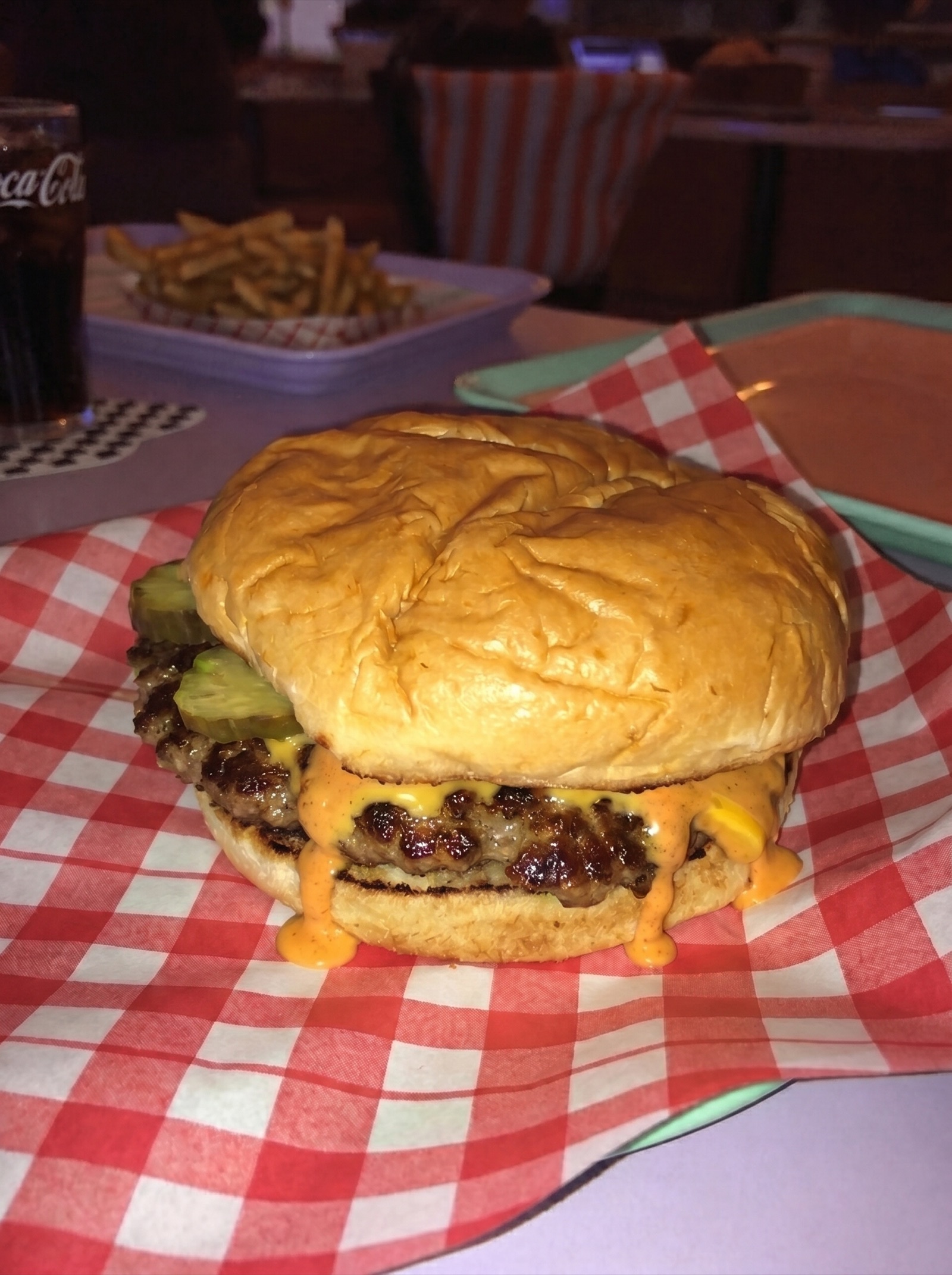
Diner-style burger: hero shot, built for cheese pull and steam realism
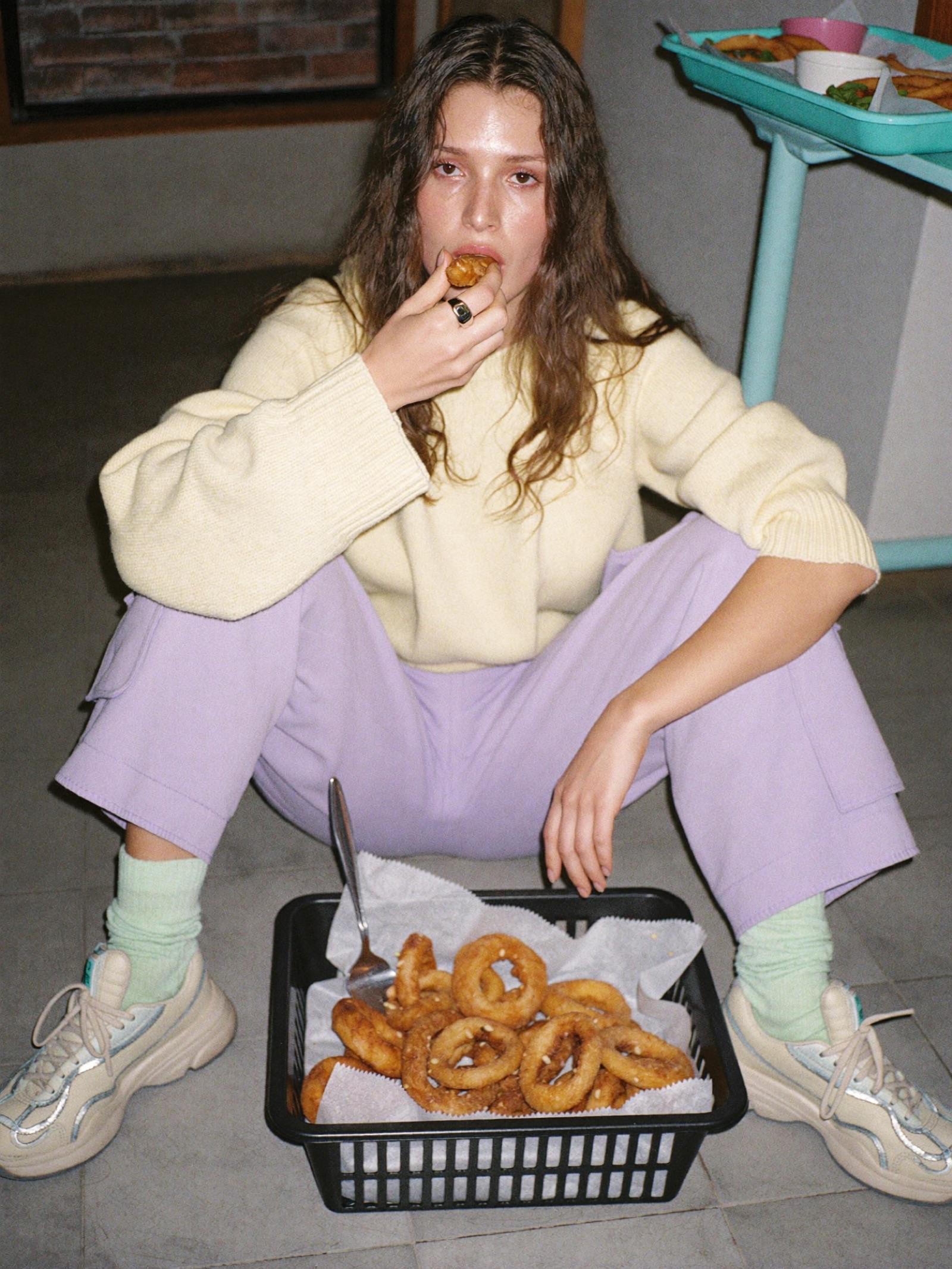
Lifestyle direction: model framing to sell context, not just product
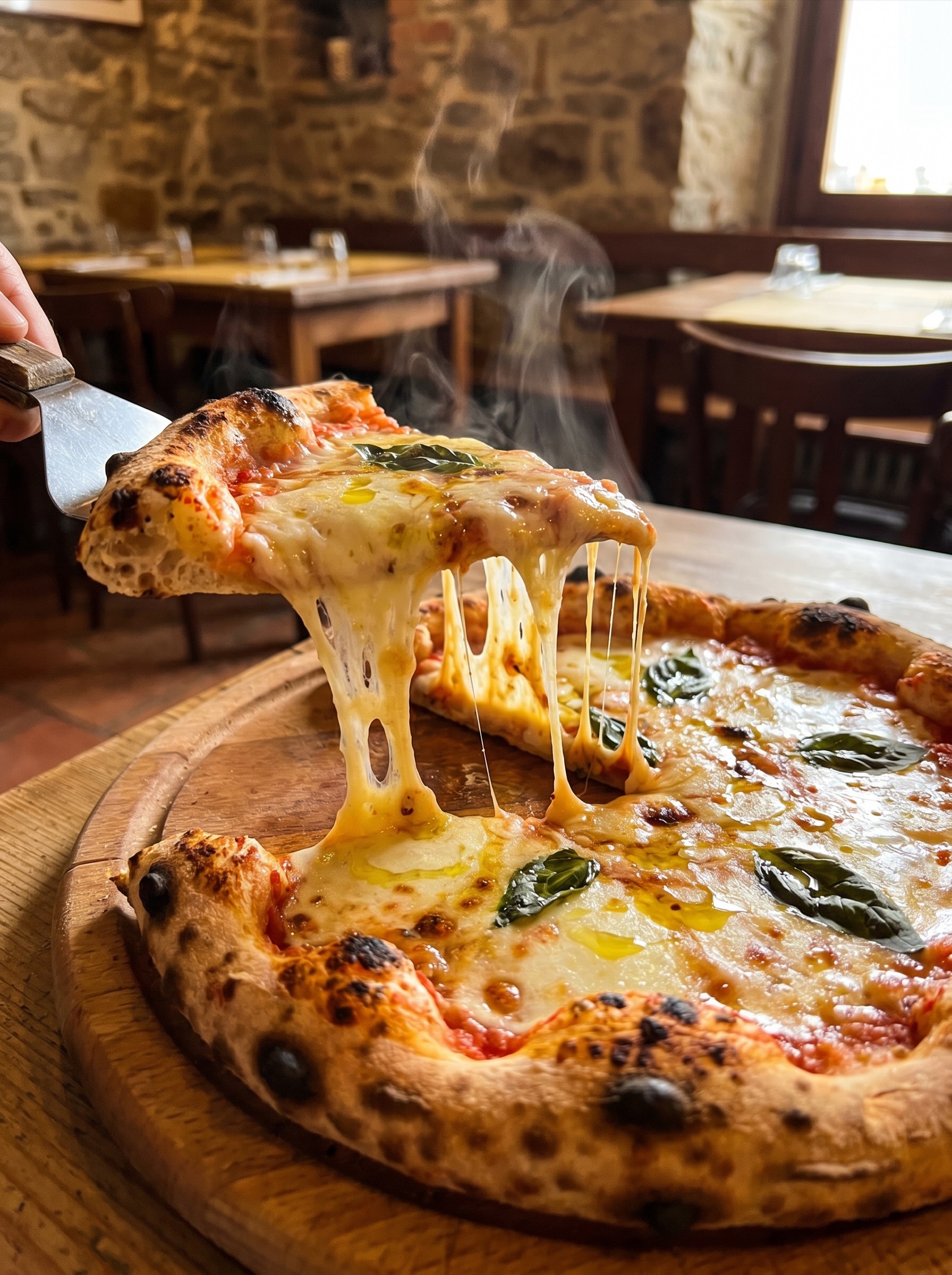
Restaurant environment: steam, lighting, and depth of field tuned for editorial realism
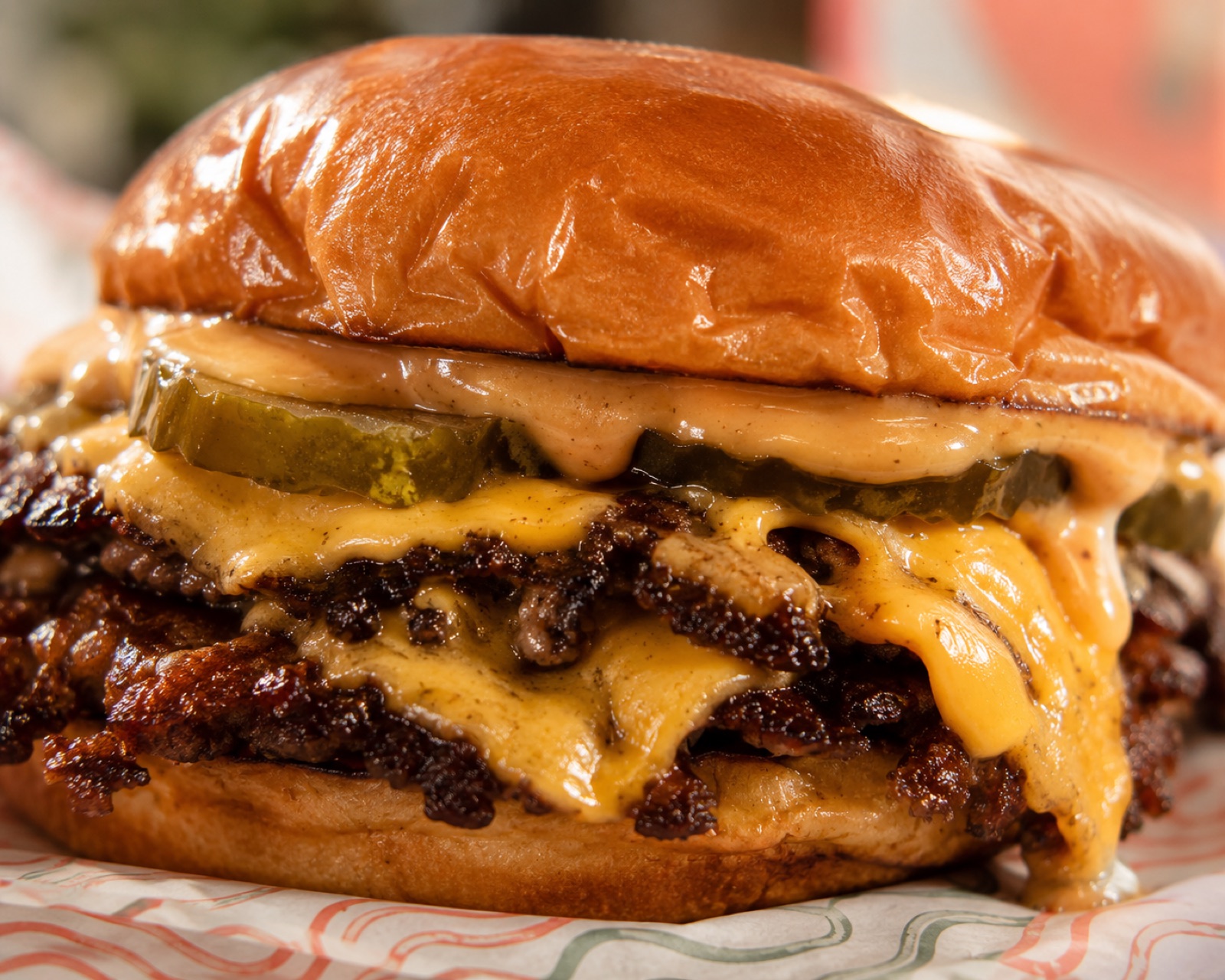
Hypercloseup texture study: testing how far prompt detail can push photorealism
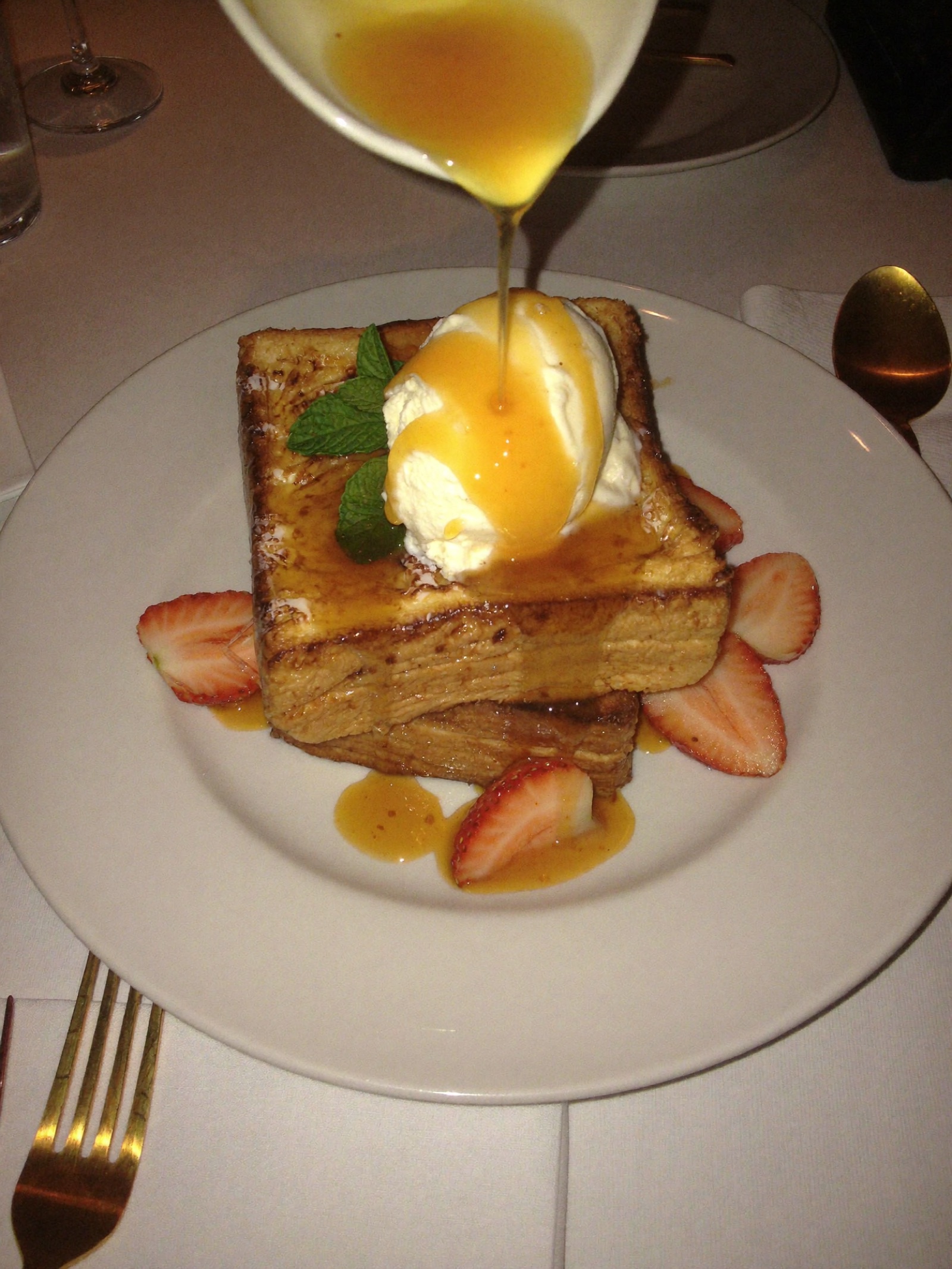
Fine-dining plating: proving the same pipeline scales from diner to upscale
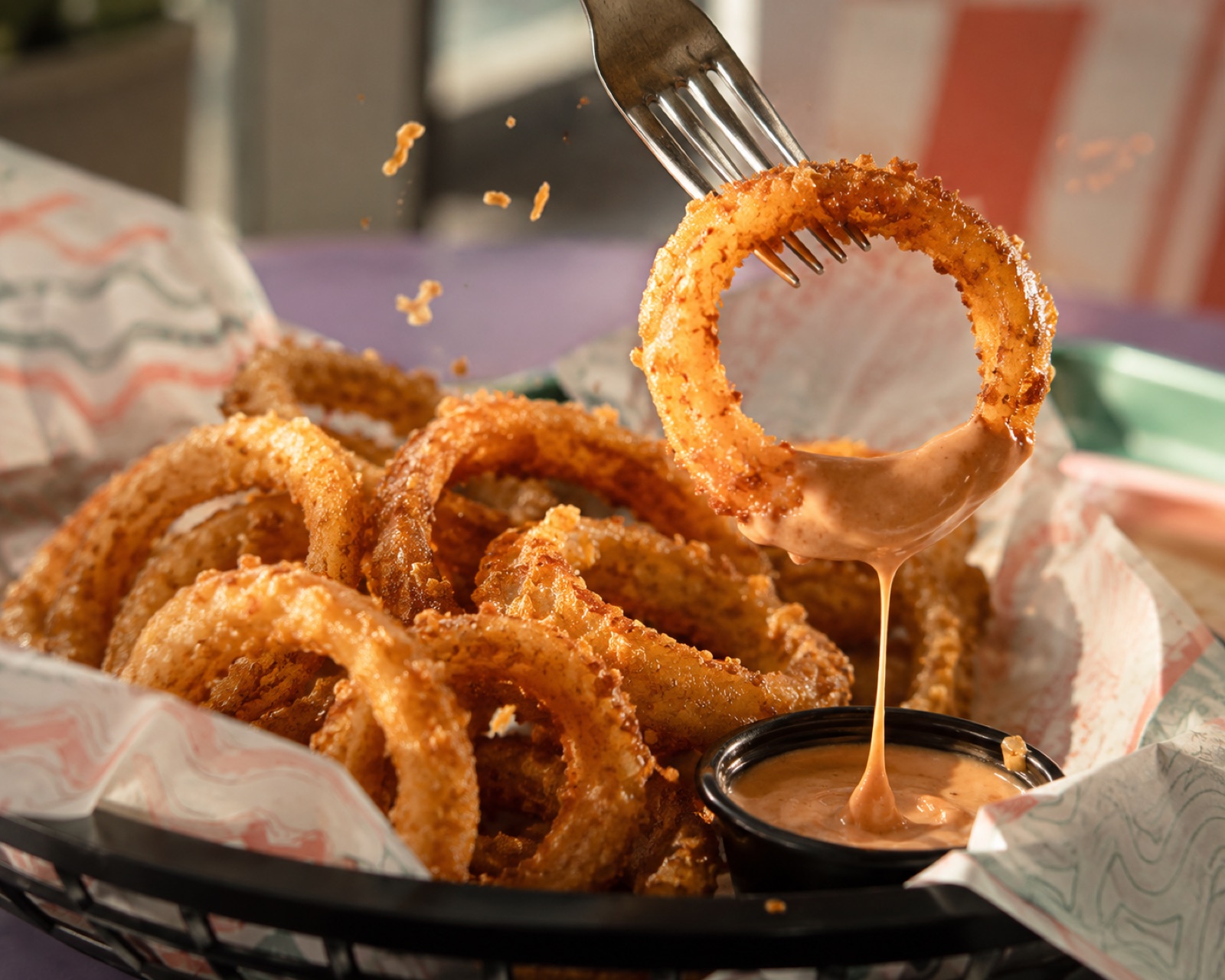
Action shot: batter pull, one of the hardest textures to get AI to render convincingly
Creative Concepts
Two campaigns, one repeatable production pipeline
Rather than treating each image as a one-off generation, I built a consistent creative direction (framing, lighting, texture cues) that could flex across a full food photography series and a separate macro beauty video.
Photoreal Food Photography Series
Directed a six-image series for an elevated comfort-food concept (diner-style burgers, onion rings, pizza, and fine-dining plating) built to editorial standard with consistent lighting and texture language.
Macro Beauty Video
Produced a 16-second vertical ad for Wonderskin's lip stain line, directing macro shots of product texture and application entirely through AI video generation.
Prompt & Style Consistency System
Developed a repeatable approach to prompting: locking camera language, lighting, and detail cues across generations so a set of AI images reads as one coherent shoot rather than disconnected outputs.
Creative Concepts
Directing, prompting, and producing without a crew
Every asset below was generated, art-directed, and selected by hand, iterating on prompts the same way I'd give notes to a photographer or director, just without the camera.
- Six photoreal food images spanning diner and fine-dining aesthetics, generated and art-directed end-to-end
- One 16-second vertical macro beauty video for Wonderskin, directed shot-by-shot through AI video generation
- A reusable prompt and style framework for keeping lighting, framing, and texture consistent across a generated series
- Zero traditional production costs: no photographer, food stylist, model, location, or studio day
Results
Proof that AI can carry real production value
The series and video hold up next to traditionally shot marketing content: proof that one person with the right AI tools and creative direction can make campaign-grade work without a production budget.
6
Photoreal images produced
16 sec
Vertical macro beauty video
2
Verticals covered: food & beauty
$0
Production budget: no shoot, crew, or studio
Key Learnings
Direction matters more than the tool. The gap between generic and editorial-grade AI content came from creative direction (lighting language, texture cues, context), not from a better model alone.
Texture sells realism. Steam, cheese pulls, gloss sheen, skin texture: the small imperfect details are what separate content that reads as real from content that reads as generated.
This is the same skill as directing a shoot. Prompting AI generation well is closer to art-directing a photographer than typing a search query: you're giving notes, iterating, and casting an eye for what's missing.